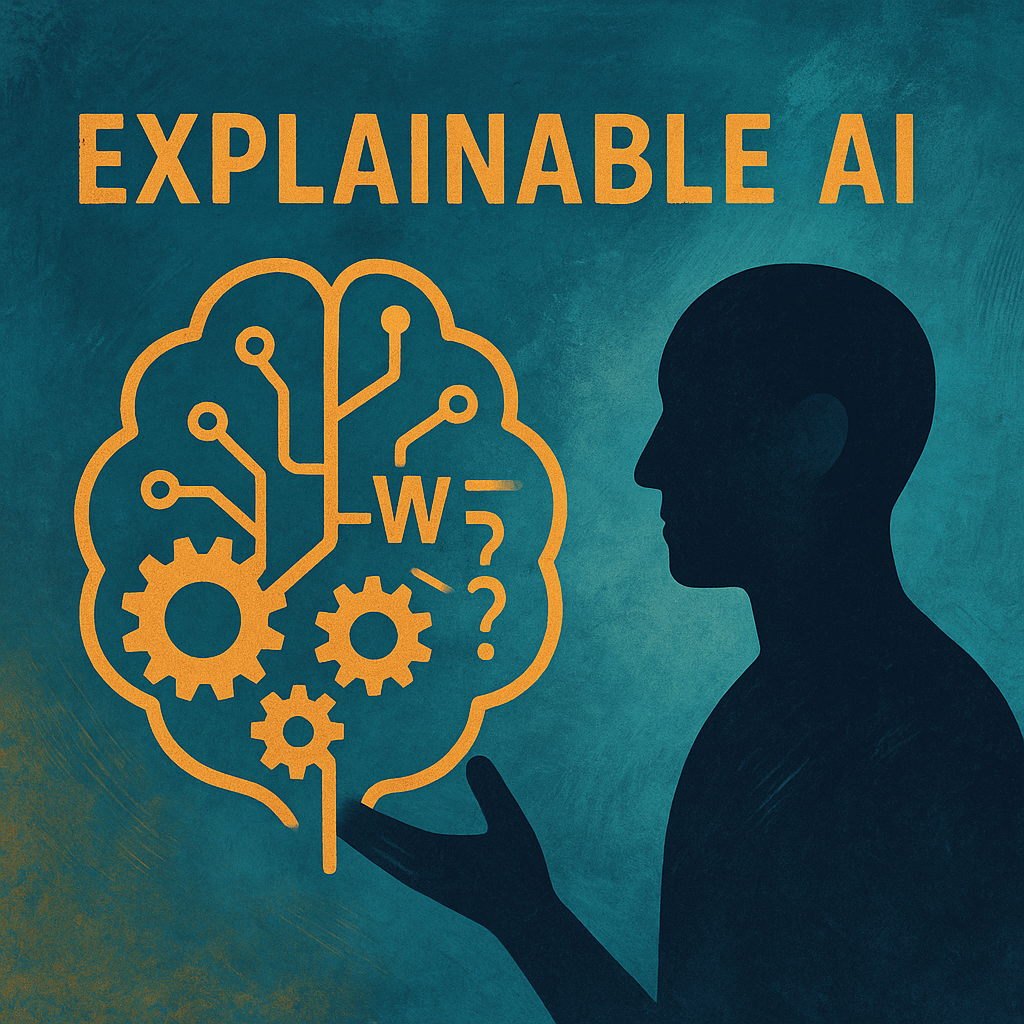
Modern AI systems outperform humans in many prediction tasks. Yet most of these models remain opaque. Stakeholders want to know why an algorithm arrived at its recommendation. Explainable AI solves that gap. It increases trust and ensures responsible outcomes.
Explainability is not only for regulators. Product teams need to debug model behavior. Data scientists need to surface bias. Executives want assurance that automation supports business values. Tools like SHAP, LIME, and counterfactual analysis help uncover the logic behind a result. Engineers can track confidence under shifting data conditions to catch failures early.
Forward thinking organizations now prioritize transparency during development instead of after deployment. They design metrics that evaluate not only accuracy but clarity. They prefer interpretable architectures when possible, and they build internal literacy for reviewing explanations.
Clear reasoning creates better collaboration between human and machine. It reduces risk while improving model quality. AI that can explain itself will outperform black box systems in real enterprise environments. The future belongs to models that earn trust.