The Hidden Risks Behind AI-Enhanced Browsers

By gd October 29, 2025 Cybersecurity 424 views

AI-driven browsers promise smarter search, automation, and real-time summarization, but their deep integration with user data introduces new vectors for privacy leakage and model manipulation. Understanding how these systems process, store, and share data is critical for individuals and organizations before adopting them into sensitive workflows.


Read more →
AI-driven browsers promise smarter search, automation, and real-time summarization, but their deep integration with user data introduces new vectors for privacy leakage and model manipulation. Understanding how these systems process, store, and share data is critical for individuals and organizations before adopting them into sensitive workflows.
The Rise of Function Calling: Why LLMs Are Finally Ready for Production Workflows

By gd August 15, 2025 LLM Strategy & Integration 97 views

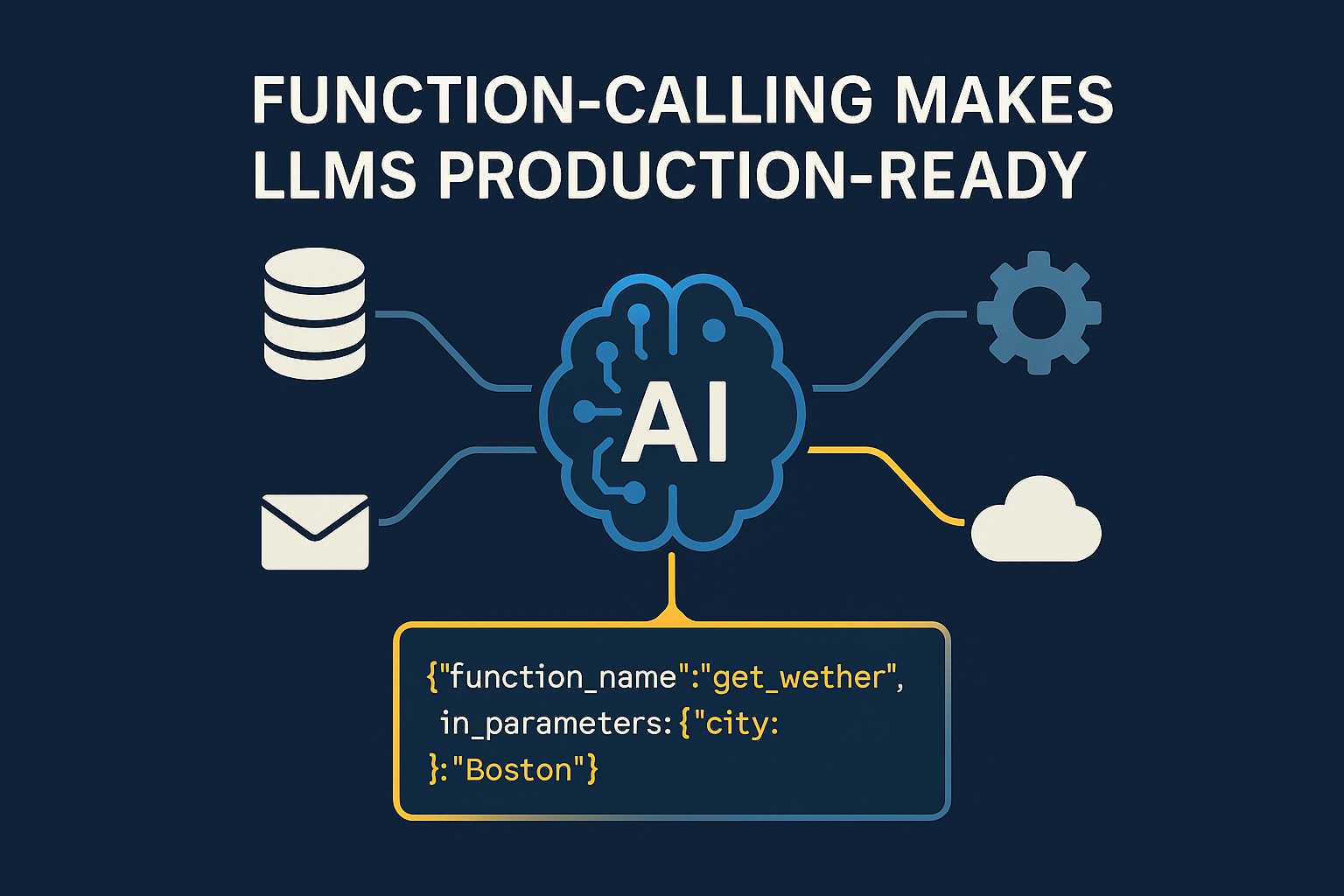
Large Language Models (LLMs) are moving beyond chat interfaces. The new function calling capabilities are a game-changer, allowing models to interact seamlessly with external tools and APIs. This shift transforms LLMs from intelligent companions into powerful orchestrators, making them truly production-ready for complex business logic and automation.

Read more →
Large Language Models (LLMs) are moving beyond chat interfaces. The new function calling capabilities are a game-changer, allowing models to interact seamlessly with external tools and APIs. This shift transforms LLMs from intelligent companions into powerful orchestrators, making them truly production-ready for complex business logic and automation.

The Quiet Revolution of Foundation Models in Enterprise AI

By gd April 18, 2025 AI Strategy 80 views

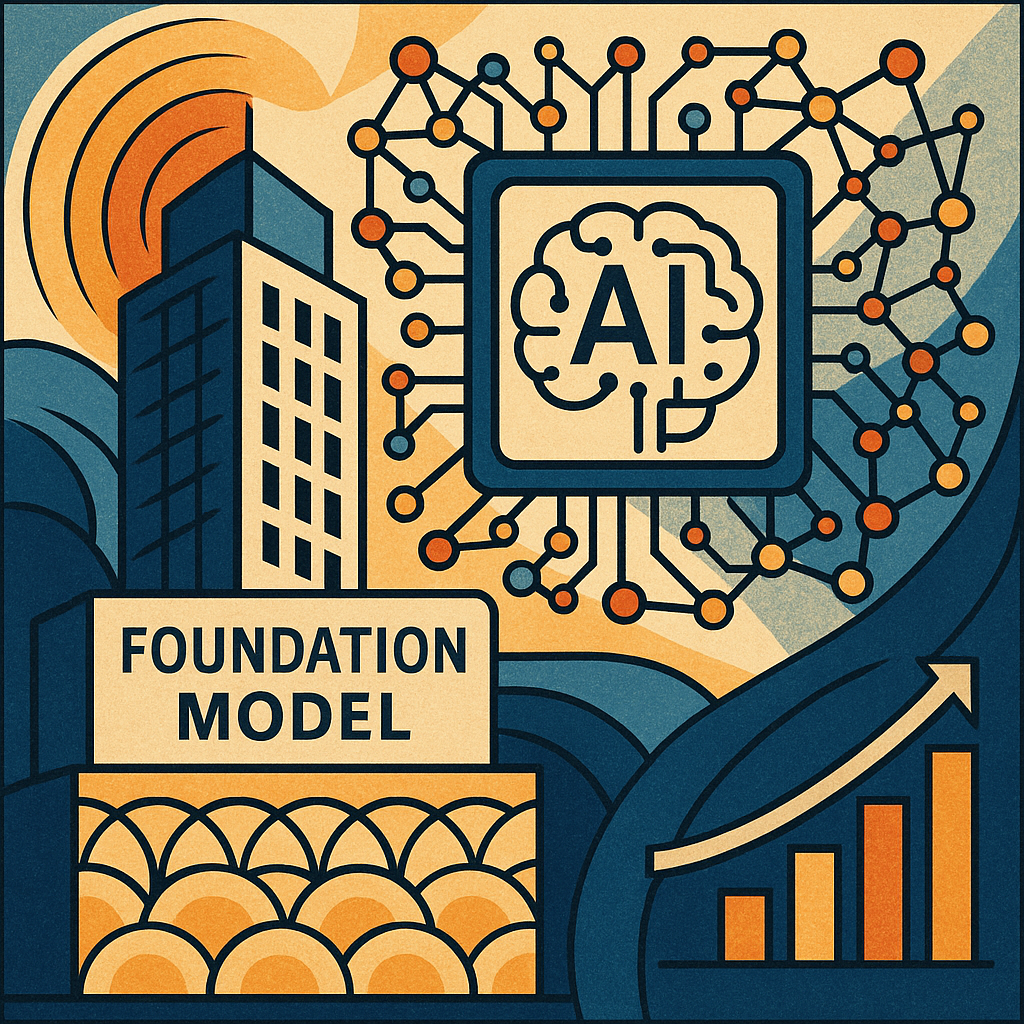
By early 2025, foundation models had quietly reshaped enterprise AI strategies. Rather than building bespoke models from scratch, companies began adopting foundation-based architectures that accelerated deployment while preserving domain-specific control. The shift was less about model training and more about operationalizing intelligence at scale.

Read more →
By early 2025, foundation models had quietly reshaped enterprise AI strategies. Rather than building bespoke models from scratch, companies began adopting foundation-based architectures that accelerated deployment while preserving domain-specific control. The shift was less about model training and more about operationalizing intelligence at scale.

Agentic AI at the Edge: What Forward-Looking Organisations Are Preparing for in Spring 2025

By gd March 15, 2025 Emerging AI Technologies 69 views

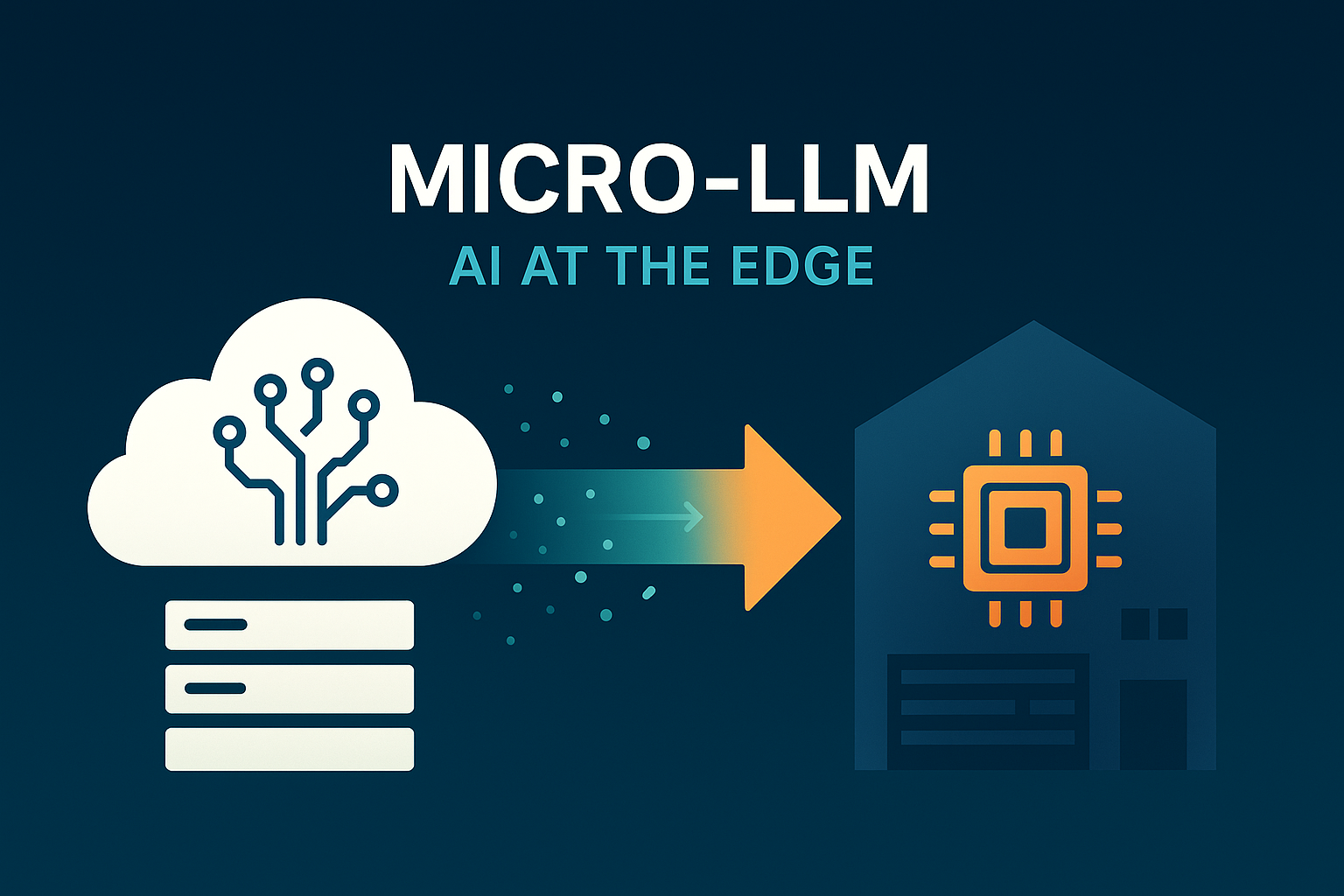
In early 2025 organisations are shifting from treating large language models (LLMs) as stand-alone tools to embedding them as autonomous, agentic systems tightly integrated into production workflows and edge deployments. This article explains how that transition is unfolding—from architecture through governance to deployment—and outlines what enterprises must do now to stay ahead.

Read more →
In early 2025 organisations are shifting from treating large language models (LLMs) as stand-alone tools to embedding them as autonomous, agentic systems tightly integrated into production workflows and edge deployments. This article explains how that transition is unfolding—from architecture through governance to deployment—and outlines what enterprises must do now to stay ahead.

Synthetic Data Is Becoming the Real Competitive Edge

By gd February 12, 2025 Applied Machine Learning 78 views

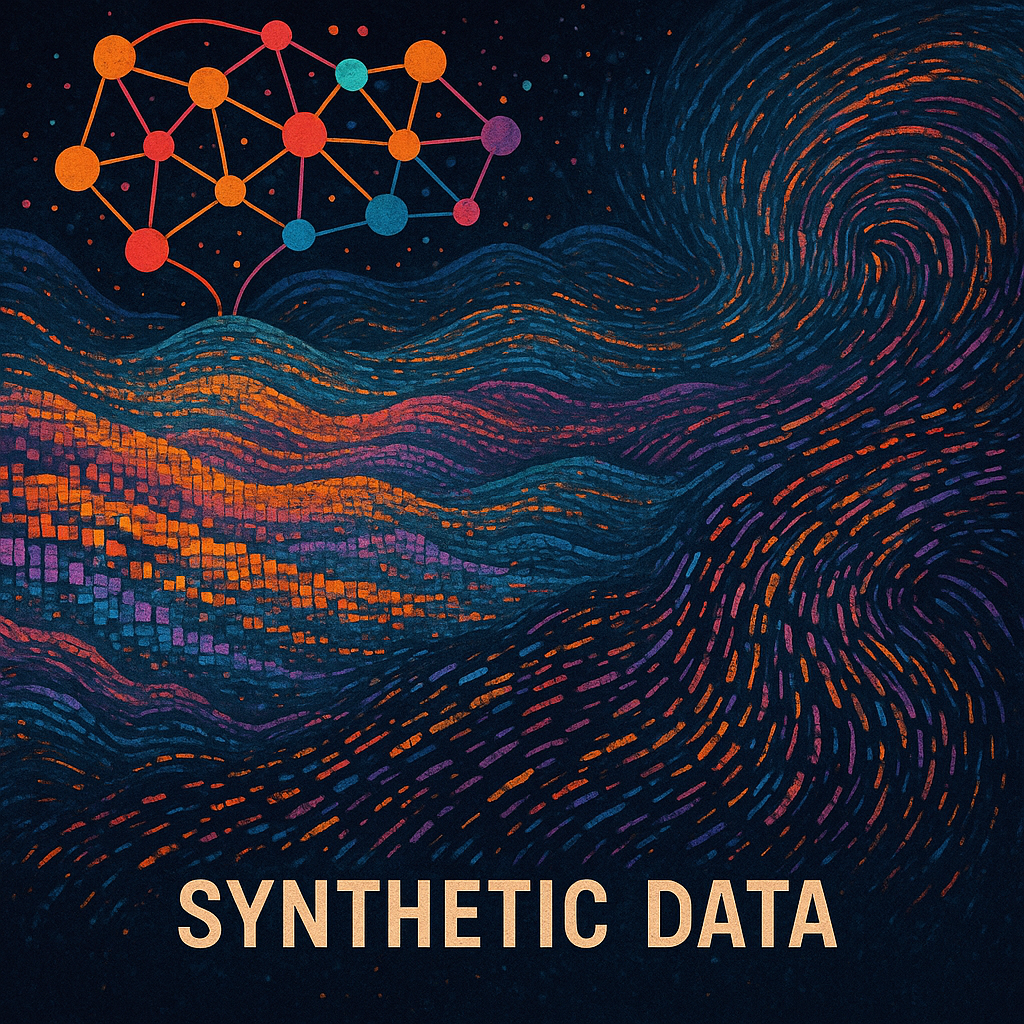
By early 2025, the use of synthetic data had shifted from niche experimentation to mainstream adoption across finance, healthcare, and manufacturing. Synthetic data now serves as a cornerstone for privacy-safe model training, compliance, and performance improvement. Understanding how to generate, evaluate, and deploy synthetic datasets responsibly is becoming a key differentiator for organizations pursuing AI at scale.

Read more →
By early 2025, the use of synthetic data had shifted from niche experimentation to mainstream adoption across finance, healthcare, and manufacturing. Synthetic data now serves as a cornerstone for privacy-safe model training, compliance, and performance improvement. Understanding how to generate, evaluate, and deploy synthetic datasets responsibly is becoming a key differentiator for organizations pursuing AI at scale.